
Discovering Alta Heights: A Neighborhood with Deep Napa Roots
Ask almost any longtime Napa resident about Alta Heights, and you’ll get a fond smile — a sign that this neighborhood, perched on Napa’s eastern hills, holds a special place in the city’s heart. From sweeping vistas of the downtown and valley below to its thriving parks and historic homes, Alta Heights is both a testament to Napa’s past and a vibrant community today. Let’s explore how Alta Heights came to be, how it’s changed through the decades, and what makes this neighborhood such a cherished enclave.
The Origins: How Alta Heights Got Its Name
Alta Heights' story starts with its geography: high upon the rolling eastern hills where early settlers could look west over the growing town of Napa. The Spanish word "Alta" means "high," and it’s easy to see why developers in the early 20th century chose the name. The elevated land not only offered extraordinary views, but also a respite from the hustle and bustle of the downtown below.
Development of the area began in earnest in the early 1900s. With downtown Napa expanding rapidly—thanks to booming agriculture and industry—residents started seeking quieter, more scenic real estate. The promise of “pure air, sunshine, and beautiful vistas” drew families up the hillside, and thus Alta Heights was born.
Key Historical Milestones
Through its history, Alta Heights has mirrored much of Napa’s growth and transformation. Some notable milestones include:
- Early 1900s: Subdivision of land and initial home building, as advertisements touted the area’s clean air and panoramic views. Early homes clustered around Alta Heights Road and nearby Montecito Boulevard.
- 1920s-1930s: Rapid neighborhood growth, with Craftsman and bungalow-style homes dotting the hillside. The area developed a unique architectural blend that endures to this day.
- 1940s-1950s: Post-war expansion saw an influx of young families. The creation of local institutions like Alta Heights Elementary School (now celebrating over 75 years) contributed to a close-knit community feel.
- 1970s-Present: Alta Heights evolved alongside Napa’s transformation into a world-renowned wine region. Historic homes have been lovingly restored, while new parks and trails—like those at O’Brien Park—provide fresh spaces for neighbors to gather.
Notable Landmarks and Buildings
Alta Heights is known for its harmonious blend of historic and contemporary, with key sites that root the neighborhood in Napa’s broader story.
- Alta Heights Elementary School (15 Navato Ave): A cornerstone of the community since 1948, this charming school’s Spanish-style architecture fits perfectly with the neighborhood’s hillside terrain. Its playground and gardens serve as gathering spots for families year-round.
- O’Brien Park (at East Spring and Montecito Blvd): Perched at the top of Alta Heights, this park is a local gem with sweeping vistas, mature oaks, and modern play structures. It’s a favorite for kids, dog walkers, and anyone seeking sunset views across the valley.
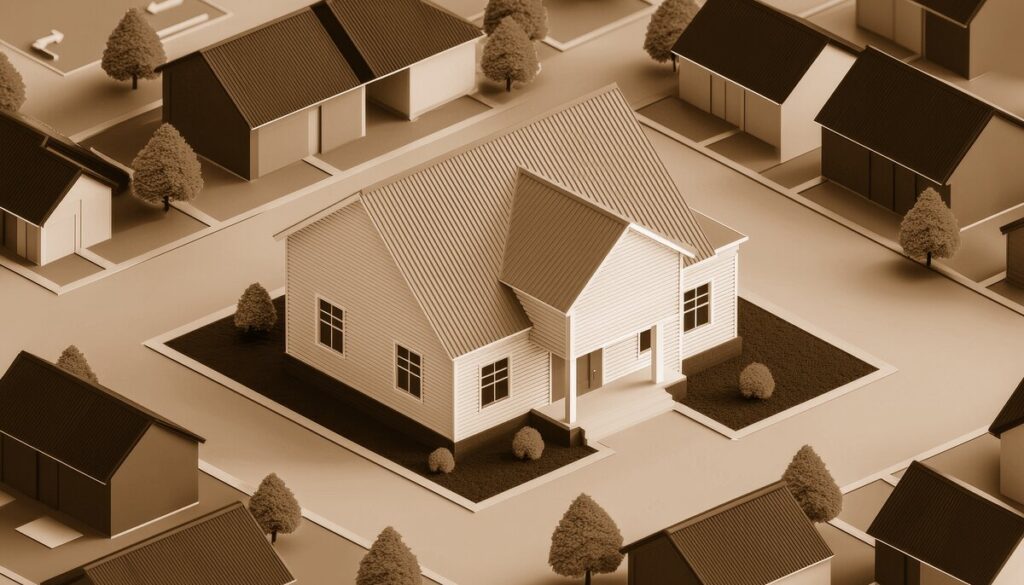
- Historic Homes on Alta Heights Road, East Spring Street, and Montecito Blvd: Many homes here date to the 1920s and 1930s, featuring Craftsman details—think broad porches, stone foundations, and original woodwork. While new builds have emerged, the area’s character remains shaped by its architectural heritage.
Streets and Institutions That Shape the Neighborhood
Many landmarks and charming streetscapes define Alta Heights’ spirit:
- Alta Heights Road: Winding up from the city, this road offers vistas and historic homes with landscaped gardens.
- East Spring Street: One of the neighborhood’s oldest, marked by mature trees and both period and modern homes.
- Montecito Boulevard: The historic “spine” of the neighborhood, blending hillside homes, access to local parks, and easy connections to downtown Napa.
- Alta Heights Community Church: This church has served as a community gathering point for generations, supporting neighborhood unity and local events.
- Napa County Library and adjacent Oxbow Preserve (just down the hill): While technically outside Alta Heights, these civic landmarks have long provided vital resources to residents just a short walk away.
Evolution Over the Decades
What sets Alta Heights apart is its ability to evolve while retaining its original charm:
*In the postwar era*, families flocked to the neighborhood for its affordable homes and up-and-coming schools. Yards were filled with running children and blossoming gardens. In recent decades, a new generation of residents has helped reenergize the area. As Napa’s housing market has shifted, Alta Heights has become a sought-after address for those drawn to its mix of history, community spirit, and hillside beauty.
The neighborhood today is proudly eclectic. You’ll find:
- Artists and winemakers drawn by the creative energy and panoramic views.
- Longtime residents who can recall when orchards lined the hillside.
- Young families who cherish the walkability and friendly faces at local parks and playgrounds.
What Makes Alta Heights Special Today
Neighborhood pride remains strong in Alta Heights. Residents come together for block parties, volunteer days at the school, and sunset meetups in O’Brien Park. Walk the streets on a Saturday morning, and you’ll see neighbors gardening, chatting, and waving at passersby.
The hillside layout ensures that "Alta" feeling endures—neighbors enjoy morning light over the valley, sightlines to the surrounding mountains, and a sense of peaceful retreat just minutes from vibrant downtown Napa. All of this, anchored by a proud legacy, makes Alta Heights more than just a neighborhood; it’s a living piece of Napa’s history.
Preserving the Heritage, Embracing the Future
As Alta Heights moves forward, residents take their role as stewards seriously. Restoration of homes, support for local institutions, and involvement in Napa’s urban planning help keep the neighborhood vibrant and welcoming. Through historical preservation and community spirit, Alta Heights continues to offer a window into Napa’s past—and a bright horizon for generations to come.